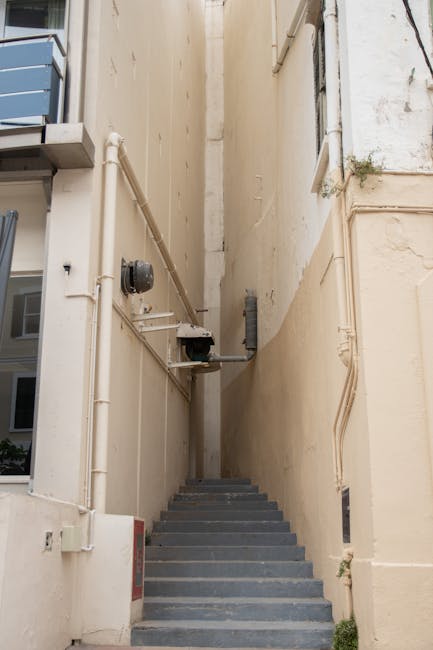
Shoreditch narrow stairs removals tips for tricky flats
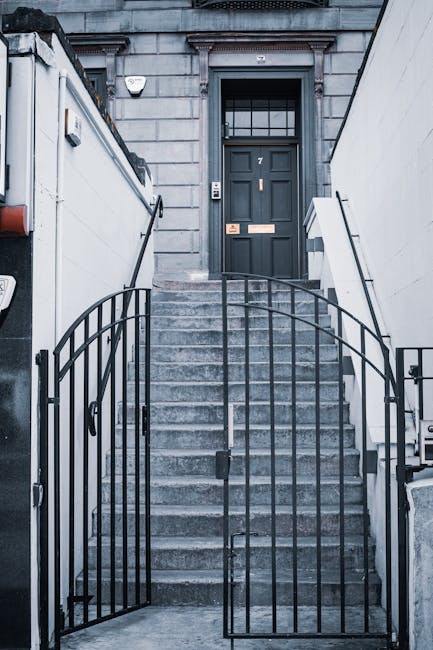
If you live in Shoreditch, you probably already know the drill: beautiful old conversions, compact staircases, awkward landings, and furniture that suddenly looks much bigger on moving day. That is exactly why Shoreditch narrow stairs removals tips for tricky flats matter. A move in one of these buildings is not just about lifting boxes; it is about planning, angle, timing, and avoiding the kind of damage that turns a stressful day into a proper headache.
In this guide, you will find practical advice for getting bulky items through tight stairwells, reducing risk, choosing the right vehicle and crew, and making sensible decisions before the first box is carried downstairs. There is nothing glamorous about wrestling a sofa around a Shoreditch turn, to be fair, but a bit of preparation changes everything.
- Why these removals are tricky in Shoreditch
- How tight-stair removals are planned and carried out
- Key benefits of a well-planned approach
- Who needs this advice most
- Step-by-step moving guidance
- Expert tips for a smoother move
- Common mistakes to avoid
- Tools and practical resources
- Compliance, safety and best practice
- Options and method comparison
- Real-world example
- Practical checklist
- Conclusion
- Frequently asked questions
Why Shoreditch narrow stairs removals tips for tricky flats Matters
Shoreditch flats often come with the kind of access that looks fine in photos but becomes much less charming once a mattress, wardrobe, or washing machine needs to go down three flights. Narrow stairs, sharp corners, low ceilings, shared hallways, and door frames that seem to have been measured by optimism all create extra risk.
The problem is not only physical. A difficult move can lead to scratched walls, damaged bannisters, blocked exits, annoyed neighbours, and exhausted people trying to improvise mid-lift. The smarter approach is to treat access as part of the move itself, not as an afterthought.
For flats in tight London buildings, the main challenge is often space, not distance. Even a short move can become complicated if the stairs are steep or the landing is too small to turn large furniture. That is why experienced movers spend time assessing access before anything else. A good plan saves time, protects the building, and keeps everyone calmer. Calm is underrated on moving day. Very underrated.
It also helps you decide what actually needs to be moved in one piece. Some items are not worth forcing through a stairwell when disassembly, temporary storage, or a different loading method would be safer.
How Shoreditch narrow stairs removals tips for tricky flats Works
Moving through narrow stairs is usually a combination of pre-move planning, careful lifting, and route management. The process starts before the van arrives. You measure the furniture, check the stairwell, identify pinch points, and decide what needs dismantling. If there is a lift, you still need a backup plan, because lifts in old buildings can be small, slow, or unavailable at exactly the wrong time.
The actual move often works best in stages:
- Assess access - check stair width, ceiling height, corners, hallway depth, and whether there is enough landing space to rotate items.
- Sort the load - separate fragile items, awkward shapes, and heavy furniture.
- Prepare the furniture - remove shelves, doors, legs, loose fittings, and anything that sticks out.
- Protect the route - use blankets, floor protection, and edge covers where necessary.
- Move in the right order - usually awkward items first, then boxed items, so the stairwell stays manageable.
- Reassemble and check - once inside, confirm nothing has shifted or been damaged.
What surprises many people is how much the sequence matters. If a large chest of drawers is left until the end, the team may be tired and the route may already be cluttered. That is how mistakes happen. A well-run move feels almost boring in the best way. No drama, no panicked pivoting, no chipped plaster dust in your hair.
If you want support that fits this kind of urban move, services such as man with van removals and home moving support are often a sensible starting point, especially where the job is more about access and flexibility than sheer volume.
Key Benefits and Practical Advantages
When you plan a tricky flat move properly, the benefits go beyond simply getting items from A to B.
- Less risk of damage - both to your belongings and to stair rails, paintwork, and floors.
- Faster handling - clear access and the right equipment reduce delays.
- Lower stress - fewer surprises means fewer last-minute decisions.
- Better use of labour - a small team can work efficiently if the move is planned around the building.
- Cleaner exit and entry - this matters a lot in shared buildings where neighbours notice everything, especially at 7:30 in the morning.
There is also a financial advantage. If you know in advance that a sofa needs dismantling or that a wardrobe will not fit, you can avoid paying for wasted time or emergency problem-solving. The same goes for vehicle choice. A compact load might not need a full-size vehicle, while a bigger move may be easier with a suitable moving truck or removal truck hire rather than trying to squeeze everything into the wrong setup.
And honestly, the biggest advantage is peace of mind. When the route is mapped out and the furniture plan is realistic, the move feels manageable. That feeling is worth a lot.
Who This Is For and When It Makes Sense
This advice is especially useful if you live in a flat with one or more of the following:
- a steep or narrow staircase
- tight turns on the landing
- low ceilings or sloping walls
- no lift, or a very small lift
- shared access with neighbours
- large furniture that cannot simply be carried straight out
- limited parking or loading space outside
It also makes sense for anyone moving on a deadline. If your tenancy is ending, if you have a handover window, or if you are juggling work calls while the movers are at the door, then the margin for error is tiny. The same applies if you are moving a first flat after university, or downsizing from a larger home into a compact apartment. Those moves can look straightforward on paper and still turn surprisingly awkward.
Shoreditch, in particular, tends to mix old and new buildings. You may find period properties with characterful staircases that are absolutely lovely, until they meet a double mattress. Newer developments can be easier, but not always. Some have narrow communal corridors or strict access rules. So the sensible move is to check, not assume.
If you are moving a home office setup, fragile stock, or commercial equipment as part of a mixed move, it can also help to review office relocation services or broader commercial moves support if relevant. Sometimes the move is not just domestic anymore. Life rarely stays in one neat category.
Step-by-Step Guidance
Here is a practical way to approach a Shoreditch flat move when narrow stairs are part of the picture.
1. Measure the awkward things first
Do not start with boxes. Start with the items most likely to cause trouble: sofas, bed frames, wardrobes, desks, mirrors, and white goods. Measure the widest points, including handles, feet, and any projecting parts. Compare that to stair width, landing depth, and doorway height. A few centimetres can make a big difference.
2. Walk the route before moving day
Take a slow walk from the flat door to the street. Look for sharp corners, railings that narrow the path, low light, uneven steps, or bins left in the way. It sounds obvious, but people miss this all the time. If you spot a pinch point early, you can plan the move around it rather than discover it when you are already half-way down.
3. Decide what should be dismantled
Some furniture is easier to move in sections. Beds, tables, modular wardrobes, and shelving can often be taken apart safely. Keep the screws and fittings in labelled bags. One bag. Not three random ones in different coats. That is how "where did the bolts go?" becomes a moving-day question nobody wants to answer.
4. Protect the building before the lifting starts
Use blankets, corridor protection, and floor coverings where needed. In shared hallways, this can make a real difference to goodwill. You are not just protecting your deposit; you are also showing a bit of respect to the building and the people in it.
5. Load in a sensible sequence
Move the hard items first while everyone is fresh. Then work through boxed items, soft furnishings, and loose belongings. Keep essentials to one side so they are not buried under everything else. If you need unpacking help once you arrive, packing and unpacking services can take a lot of pressure off that final stage.
6. Use the right technique on the stairs
This is where experience really matters. The item may need to be angled, tilted, or rotated at a landing. Two people may need to pause and reset several times. That is normal. Rushing is what causes knocks and strained backs. A careful lift is slower, yes, but usually much faster than repairing damage later.
7. Check before you leave
Once the item is out, inspect walls, frames, and floors for scuffs. Do the same at the destination. If something has shifted in transit, better to catch it immediately rather than after the van has gone and everyone is halfway up the stairs with the next load.
Expert Tips for Better Results
Here is the sort of advice that tends to save time in the real world, not just in planning documents.
- Take doors off hinges where possible. A centimetre or two of clearance can be the difference between a clean pass and a stuck item.
- Wrap sharp corners first. Corners catch on bannisters and plaster more often than the flat surfaces do.
- Keep one person in charge of directions. Too many voices on a staircase become background noise. One calm lead is better.
- Move at a steady pace. Quick feet can be useful, but not if they create wobble.
- Have a backup plan for large items. If something will not safely go through the stairs, do not force it. Sometimes the smartest answer is to reconfigure the item or change the route.
- Choose the vehicle to suit the access. Parking outside a Shoreditch street can be tight, so vehicle size and loading style matter just as much as the staircase.
One small but useful thing: keep tea, water, and a phone charger within reach. Not glamorous, I know. But when the team is on the third trip and everyone is hot, thirsty, and slightly less cheerful than they were at 8 a.m., basic comfort helps the whole day stay smoother.
If you need a lighter, flexible approach for a tight residential move, man and van support can be a practical fit. For bigger jobs, a more structured setup may be better. It really depends on the building, the furniture, and how much of a puzzle the stairwell is.
Common Mistakes to Avoid
Most moving problems in tricky flats come from a handful of predictable mistakes. The good news? They are all avoidable.
- Not measuring properly. Guessing is expensive. Doors, sofas, and stair turns all lie to the eye a bit.
- Leaving dismantling too late. If you only discover the wardrobe will not fit when it is already at the landing, that is a bad moment.
- Ignoring the building rules. Some blocks have access windows, booking systems, or requirements for lift padding and move times.
- Using too few people. A heavy item on a narrow stairwell needs balance, not bravery.
- Forcing furniture around corners. If it feels like it needs a shove, stop and reassess.
- Not protecting surfaces. One scuff on a white wall is easy to make and annoyingly visible.
A subtle mistake that many people make is assuming the flat move is small enough to do casually. The truth is, compact properties can be more technical than larger homes. Less space means less margin. That's the whole game.
Tools, Resources and Recommendations
You do not need a van full of specialist gear to manage a difficult flat move, but the right tools help a great deal.
| Tool or item | Why it helps | Best used for |
|---|---|---|
| Furniture blankets | Protects edges, paintwork, and door frames | Large items and stairwell contact points |
| Ratchet straps | Keeps items stable during transport | Securing loads in the vehicle |
| Hand truck or dolly | Reduces manual strain on suitable items | Boxes, appliances, and sturdy furniture |
| Protective wrapping | Helps prevent scratches and dust transfer | Mirrors, tables, and delicate finishes |
| Labelled bags for fittings | Keeps screws and fixings together | Disassembled furniture |
On the service side, some moves benefit from a small vehicle and a nimble crew; others need a more robust transport option. If you are shifting a larger volume of items, removal truck hire may be more appropriate than trying to make a tiny vehicle do too much. For people who prefer a hands-off approach, it is worth considering whether the move would run better with a full house removalists team rather than a piecemeal arrangement.
And a small but useful recommendation: keep a simple floor plan or room list. It sounds old-fashioned, but it stops boxes being dumped in the wrong room, which is strangely common once everyone is tired and just wants to be done.
Law, Compliance, Standards, or Best Practice
For residential removals in the UK, the key thing is to follow sensible safety and access practices rather than rely on guesswork. If you are using movers, it is normal to expect clear terms about service scope, payment, access issues, and liability. Reading the provider's terms and conditions before the move is never wasted time, even if it feels a bit dull on a Saturday afternoon.
Health and safety matters too. Narrow staircases create obvious manual handling risks, so careful lifting, team coordination, and sensible load sizes are all part of good practice. If you are arranging the move yourself, avoid carrying items that are too heavy or too awkward for one person. That is not heroic; it is just risky.
Buildings may also have their own rules. Many landlords, managing agents, and blocks ask for advance notice, lift booking, stair protection, or restricted moving hours. These are usually practical rather than bureaucratic. They are there because someone before you probably caused a problem. Humans do that.
If you are concerned about safety, insurance, or how responsibility is handled if something goes wrong, review the mover's insurance and safety information and their health and safety policy. That gives you a clearer picture of the standards the business says it follows. If anything is unclear, ask before moving day. The awkward conversation is far better than the awkward bill.
Options, Methods, or Comparison Table
Different Shoreditch flat moves call for different approaches. Here is a straightforward comparison to help you think it through.
| Approach | Best for | Pros | Trade-offs |
|---|---|---|---|
| DIY move | Very small loads and simple access | Lower direct cost, full control | Higher physical effort, more risk, more time |
| Man and van | Smaller flat moves, flexible schedules, mixed item sizes | Adaptable, often efficient for tight London streets | May not suit large furniture-heavy moves on its own |
| Full removal crew | Heavier homes, complex access, many items | More handling support, better for awkward layouts | Usually more resource-intensive |
| Truck hire with helpers | Moves needing capacity plus hands-on loading | Good balance for bigger loads | Requires more planning on parking and route access |
The right option is not always the biggest one. Sometimes the most efficient choice is the simplest one that genuinely fits the building. For a few bulky items and a handful of boxes, a flexible transport option may be perfect. For a flat packed with furniture and awkward corners, you will want more support and better protection.
Case Study or Real-World Example
Here is a realistic example drawn from the kind of job people often face in Shoreditch.
A tenant in a third-floor flat needed to move out by the end of the week. The staircase was narrow, the landing was tight, and the sofa had fixed arms that made turning difficult. At first glance, it looked like a nightmare. In practice, the move became manageable because the team measured the sofa before the day, removed the legs, cleared the route, and moved the sofa before any boxes were carried.
They also sorted items into three groups: fragile, heavy, and easy. That meant the staircase was used efficiently and there was no crowding. One large mirror was wrapped early and kept upright the whole time. A wardrobe had to be partially dismantled, which took ten extra minutes but probably saved half an hour of wrestling later. Sensible, really.
The biggest win was not speed. It was control. No wall scuffs, no panic in the hallway, and no last-minute arguments about whether the mattress would "probably" fit if tilted just right. Probably is not a plan.
If you are moving out of a flat with a lot of items you no longer need, arranging a furniture pick-up for unwanted pieces can also reduce clutter before the main move. Less stuff usually means less stair drama. There is a direct relationship there.
Practical Checklist
Use this checklist in the days before your move. It keeps the practical bits from slipping through the cracks.
- Measure every large item, including handles and feet
- Check stair width, landing size, and doorway clearance
- Confirm whether there is a lift and whether it can be used for moving
- Ask about any building rules or access time windows
- Remove loose shelves, drawers, and attachments
- Label screws, bolts, and fittings clearly
- Set aside protective blankets and wrapping
- Prepare a clear route from the flat to the vehicle
- Pack essentials separately
- Keep drinking water, phone chargers, and keys close by
- Check insurance and policy details before booking
- Decide in advance which items are not worth forcing through the stairs
Expert summary: the smoother Shoreditch flat moves are the ones where access, furniture shape, and vehicle choice are all planned together. If any one of those is ignored, the whole job becomes more difficult than it needs to be. Not impossible. Just unnecessarily messy.
Get a free quote today and see how much you can save.
Conclusion
Shoreditch narrow stairs removals tips for tricky flats are really about one thing: reducing friction before it turns into a problem. When you measure the awkward items, protect the route, choose the right team, and avoid forcing oversized furniture through impossible angles, the move becomes far more manageable.
There is no magic trick here. Just good planning, honest assessment, and a bit of patience. To be fair, that is usually enough. And if your flat has one of those staircases that makes every box feel oversized, you are not alone. Plenty of Shoreditch movers have faced the same headache and got through it fine.
If you want a calmer moving day, start with access, not boxes. That one habit changes a lot. And once the last item is upstairs, the air feels lighter somehow, like the whole place can finally breathe.
Frequently Asked Questions
What makes Shoreditch flat removals harder than a normal house move?
Usually it is the access. Narrow staircases, shared hallways, small lifts, awkward turns, and limited street parking can make a simple move feel much more technical. The furniture may also be larger than the route allows.
How do I know if my sofa will fit down the stairs?
Measure the sofa at its widest point and compare that with the narrowest part of the stairwell, including any corners or banisters. If the route looks tight, consider dismantling the sofa if possible or asking for a pre-move assessment.
Should I dismantle furniture before moving day?
Yes, where it is safe and practical to do so. Beds, tables, shelving, and some wardrobes often move more easily in sections. Just keep all fittings clearly labelled so reassembly does not become a treasure hunt.
Is a man and van service enough for a tricky flat?
Sometimes, yes. If the load is relatively small and the access has been checked properly, a flexible man and van setup can work well. For heavier loads or more complex buildings, a larger crew may be a better fit.
What should I protect first in a narrow stair move?
Protect the stair edges, bannisters, door frames, and floors first. Those are the places most likely to get scuffed or chipped while carrying bulky furniture through tight spaces.
How far in advance should I book removals for a Shoreditch flat?
As early as you reasonably can, especially if your building has access restrictions or if you are moving at a busy time of month. Even a small move can need more planning than people expect. A little lead time helps a lot.
What if my building has no lift?
That does not automatically mean the move will be difficult, but it does mean stair access becomes the main issue. Measure carefully, reduce item size where possible, and be realistic about what can safely be carried.
Do I need to tell my landlord or managing agent?
In many buildings, yes. It is wise to check whether there are move-in or move-out rules, access windows, or requirements for protecting common areas. Even if it is not formally required, it is often a good idea.
What is the safest way to move large items downstairs?
Use two or more people, lift in a controlled way, keep the item close to the body where possible, and pause at turns rather than rushing through them. If something feels unstable, stop and reset. That small pause can prevent damage or injury.
Can I move in Shoreditch without blocking the street?
Sometimes yes, but it depends on the road, the parking space, and how much loading room you have. In tighter streets, a well-planned arrival time and a suitable vehicle make a big difference.
How do I reduce the chance of damage to walls and banisters?
Wrap the furniture, use protective coverings, and make sure the route is clear before lifting anything. One person should guide each difficult turn. Most wall damage happens when people rush or try to squeeze past with too little space.
Where can I check booking, payment, and service details before I move?
Review the company's payment and security information and pricing and quotes guidance so you know what to expect before the moving day arrives.