Moving Tips for Flats on Portobello Road, Notting Hill
Moving into or out of a flat on Portobello Road is rarely a plain, box-tick exercise. Between narrow staircases, busy weekend footfall, resident parking pressures, and the simple reality of shifting furniture through an old building, the job can feel bigger than it first looks. These Moving Tips for Flats on Portobello Road, Notting Hill are designed to help you plan properly, avoid the usual headaches, and make the day feel more under control. Whether you are moving a studio above a shopfront, a period conversion, or a top-floor flat with a tight landing, the details matter. A lot.
Truth be told, the best moves in this part of West London usually happen before moving day even starts. Good timing, careful packing, and a clear understanding of access can save you stress, money, and a few awkward moments with a sofa that definitely looked smaller in the shop. Below, you will find practical guidance built for real-life flat moves in Notting Hill, with local realities in mind and no fluff.
Why Moving Tips for Flats on Portobello Road, Notting Hill Matters
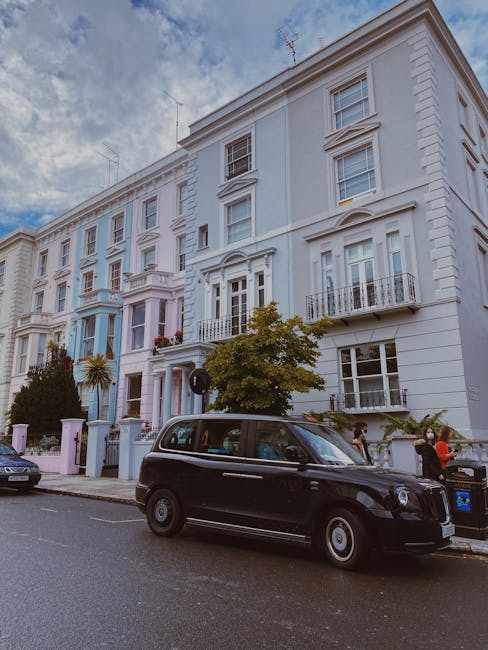
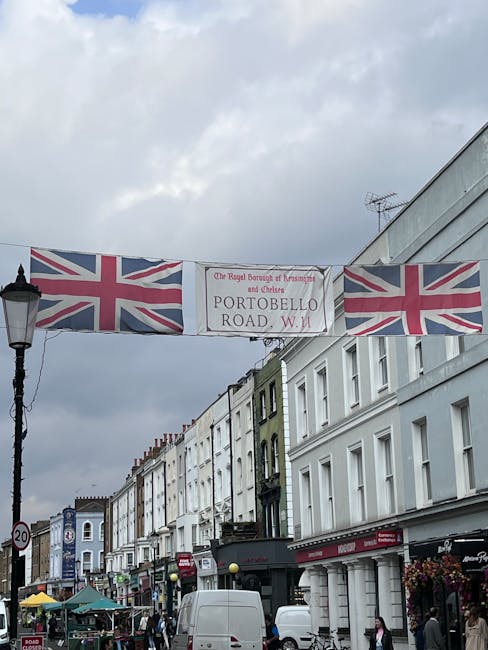
Portobello Road is one of those London streets where the location itself changes how a move plays out. It is lively, attractive, and full of character, but that character can make moving awkward. Flats here are often in converted buildings, mansion blocks, or older terraces with narrow internal stairs, limited lift access, and less-than-generous hallway space. You may also have shopfront activity, market traffic, or shared entrances to think about. On a calm weekday morning, it can still be busy. On a Saturday? Quite another story.
This matters because small logistical oversights become expensive very quickly. If a van cannot stop close enough to the entrance, if furniture has not been measured, or if packing is too loose, the move slows down and fatigue sets in. And once people are tired, things get dropped, scraped, or rushed. Not ideal.
Good moving advice is not about making the day perfect. It is about reducing friction. The goal is simple: fewer trips, fewer delays, less damage, and a smoother handover at both ends. That is especially important in flats, where you may be sharing access with neighbours and working within building rules. The more you understand the environment, the easier it is to plan sensibly.
Expert summary: For flats on Portobello Road, the biggest moving wins usually come from preparation, not speed. Measure access, protect fragile items, plan parking, and choose a moving method that matches the building, not just the furniture list.
How Moving Tips for Flats on Portobello Road, Notting Hill Works
At a practical level, moving from a flat in Notting Hill works in stages. First comes planning: what is moving, where it is going, and what access is available. Next comes packing: sorting items into a format that can be carried safely through stairs, hallways, and door frames. Then comes transport and unloading, which is where timing and parking become critical. Finally, there is the settling-in stage, where careful placement saves you from shifting the same sofa three times because the rug was wrong. Been there, sadly.
For a Portobello Road flat, the access question is usually the deciding factor. A man with a van may be enough for a compact move with a few boxes and furniture items, while a larger household often needs a bigger vehicle or a more structured service such as home moves. If you are shifting office equipment from a flat used as a workbase, the moving pattern can be closer to commercial moves than a standard domestic job. That distinction matters more than people think.
The process also works best when the move is sized correctly. A small flat with boxes, a bed, a desk, and a few chairs may be manageable in one vehicle. A larger one-bedroom or two-bedroom flat with bulky wardrobes, mirrors, and white goods can become a different beast altogether. To be fair, the staircase often decides more than the inventory does.
What makes flat moves different from house moves?
Flat moves usually involve more shared access, tighter loading zones, and more time spent protecting corners, walls, and bannisters. There is less room to manoeuvre, so the job depends on sequencing. In a house, you may move items room by room with a bit more breathing space. In a flat, it is often about carefully staging items by the door, then carrying them out in the right order.
Why local timing matters here
Portobello Road has periods of heavy activity, especially around market times and busy weekends. Even if your building itself is quiet, the road around it may not be. That can affect van access, loading, and the time it takes to move heavy items from flat to vehicle. A move that seems short on paper can stretch out if you have to wait for a place to stop or work around pedestrians and traffic. You do not want your movers doing awkward reverse manoeuvres while everyone else is trying to get on with their morning.
Key Benefits and Practical Advantages
Following solid moving tips is not just about avoiding mistakes. It can genuinely improve the whole experience in ways you feel on the day and after it. A well-planned flat move is faster, calmer, and usually cheaper to complete because less time is wasted on avoidable problems.
- Less damage: Measured furniture, proper wrapping, and the right lifting technique reduce scuffs, chips, and broken items.
- Better time control: Accurate planning keeps the move moving, which helps if access is limited or you have a tight handover window.
- Lower stress: You are not trying to solve parking, packing, and fitting a wardrobe down a stairwell at the same time.
- Improved neighbour relations: Shared entrances and common areas stay cleaner and quieter when things are organised.
- Smarter spending: Fewer delays and fewer surprises often mean better value overall, especially if you are using professional help.
There is also the simple benefit of feeling in control. That sounds small, but on moving day it is not. When boxes are labelled properly and the route has been thought through, you can breathe a bit easier. And that is worth something.
Practical advantage many people miss
One overlooked benefit is that good planning helps you unpack faster. If your essentials box is clearly marked and your furniture is mapped to rooms in advance, the first night in the new flat feels far less chaotic. No hunting for kettle leads at 10pm, no bedding in a mystery bag, no half-built table in the corridor. Small win, big mood.
Who This Is For and When It Makes Sense
These moving tips are for anyone relocating to or from a flat on or near Portobello Road, especially if the building has constraints that make the day more complicated than a standard suburban move. That includes tenants, leaseholders, first-time buyers, sharers, and landlords managing a changeover between occupants.
It makes particular sense if any of the following apply:
- You live above street level and need to carry items up or down multiple flights.
- Your building has restricted access, a small lift, or no lift at all.
- You are moving on a busy day or during a market period.
- You have bulky furniture, fragile decor, or a mix of personal and work items.
- You want to avoid blocking a narrow street longer than necessary.
If you are moving very little, you may only need a simple vehicle and a few careful helpers. If you have a full flat, awkward furniture, or a deadline tied to tenancy agreements, it often makes sense to use professional moving support. For example, man and van services are often a practical middle ground for flat moves where flexibility matters more than a full-scale lorry.
Who is this not for? If your move is huge, includes heavy specialist items, or involves difficult building access, a small vehicle solution may be too limited. Better to match the service to the real job. Otherwise you are just paying for optimism, and optimism does not carry wardrobes downstairs.
Step-by-Step Guidance
Here is the cleanest way to approach a flat move on Portobello Road without turning the day into a scramble.
1. Survey the flat and the route out
Walk the whole route from rooms to exit. Check the width of hallways, stair turns, door frames, and any awkward corners. Look at the route to the van as well. Is there a lift? If yes, is it usable for furniture? Is there a narrow pavement section or a shared entrance? These details determine whether a move will be straightforward or a bit of a dance.
2. Measure the big items
Do not guess. Measure beds, wardrobes, sofas, desks, mattresses, and appliances. Then compare those measurements to stair width, lift dimensions, and door openings. If something is tight, decide early whether it must be dismantled. That one decision can save a lot of swearing later. Quiet swearing, ideally.
3. Sort and reduce before packing
Flat moves are easier when you move less. Sell, donate, recycle, or store what you do not need. If you have old furniture that will not fit the new space, arrange disposal in advance. A service like furniture pick up can help with unwanted items that should not travel with you.
4. Pack by room and label clearly
Pack room by room so unpacking makes sense later. Use clear labels such as "kitchen fragile," "bedroom books," or "hallway tools." Put the essentials box somewhere obvious. Think kettle, mugs, chargers, cleaning supplies, toilet roll, medication, a change of clothes. The unglamorous stuff matters most on night one.
5. Protect the building as well as the items
Use blankets, door protectors, and corner guards where needed. In older buildings, paintwork and bannisters can mark easily. One knocked corner becomes a conversation you would rather not have with a landlord or managing agent.
6. Plan parking and loading
This is where flat moves on Portobello Road often succeed or stumble. Know where the vehicle can stop, how long loading is likely to take, and whether the street will be busy at your chosen time. Leave buffer time. A move without buffer time is basically a dare.
7. Load in the right order
Heavy, sturdy items usually go in first so the van is balanced and fragile boxes are protected. Keep essential items accessible. If you are moving multiple rooms, label the vehicle sections or the box piles by destination room. It speeds up unloading, and you will notice the difference immediately.
8. Check the old flat before leaving
Open cupboards, look behind doors, check the bathroom, and look under beds. People always miss something odd: a shoe, a lamp, a remote control, or the one cable that turns out to be vital. Do one final sweep, then close the door with confidence.
9. Set up the new flat in stages
Start with beds, basic kitchen items, and essential furniture. Then move to the rest. Do not try to create the finished home in an afternoon if the building access was a workout and everyone is tired. That way lies chaos and a pile of unopened boxes by the radiator.
Expert Tips for Better Results
Over the years, the moves that go best tend to share a few habits. None of them are magical. They are just consistent.
- Book early for busy periods: If you are moving near the weekend or around a market-heavy date, do not leave vehicle arrangements to the last minute.
- Use smaller boxes for books: Heavy boxes are awkward in flats. Books in large boxes turn into a back problem in disguise.
- Take photos of cable setups: Especially for TVs, routers, and work desks. It saves time later.
- Keep a toolkit handy: Allen keys, screwdrivers, tape, scissors, and spare batteries are worth their weight in gold on moving day.
- Wrap mirrors and frames carefully: These items are often fine until the stairwell turns the corner.
- Communicate with neighbours or building management: A heads-up can avoid tension if access is shared.
If you are using professional help, ask whether they handle dismantling, heavy lifting, and packing support. Sometimes packing and unpacking services are worth it simply because they reduce the number of decisions you need to make when you are already overloaded. Not always necessary, but very handy in the right situation.
Small but useful tip: keep one box or tote for items that should not disappear into the van pile. Keys, passports, chargers, medications, glasses, and a phone cable should travel with you. Not in the moving mountain. You will thank yourself later.
Common Mistakes to Avoid
Most moving mistakes are predictable, which is both annoying and comforting. Annoying because they happen so often. Comforting because you can avoid them.
Underestimating access problems
A flat may look easy until you realise the staircase bends sharply or the hallway is too narrow for a sofa. Always check access properly. If a piece looks borderline, plan to dismantle it.
Packing everything into oversized boxes
This is a classic. Large boxes feel efficient until you pick them up and realise they are unmanageable. Use smaller boxes for heavy items. It sounds boring, but boring works.
Leaving parking to chance
On Portobello Road, that can be a costly mistake. If you need the van to stop close to the entrance, plan ahead and keep timings realistic. Do not assume the space will "just appear." It usually does not.
Forgetting shared-building etiquette
Noise, blocked entrances, and rubbish left in communal areas can cause needless friction. Protect common areas and keep the route clear. A polite move is a better move.
Not checking insurance and safety details
If you are hiring movers, understand what protection is in place and what is not. It is better to know before the first item leaves the building. For company standards, review information such as insurance and safety rather than assuming everything is covered automatically.
Trying to do too much at once
Moving day has a way of making people ambitious. Resist the urge to unpack every bag, assemble every shelf, and deep-clean the balcony all in one go. Enough is enough. Get the essentials in place first.
Tools, Resources and Recommendations
You do not need a warehouse of gear, but a small set of practical tools makes a big difference.
- Strong boxes: Prefer uniform sizes where possible so stacking is safer.
- Packing tape and labels: Plain, reliable, no drama.
- Furniture blankets or wraps: Useful for protecting wood, glass, and painted surfaces.
- Basic toolkit: Screwdrivers, Allen keys, pliers, tape measure, utility knife.
- Cleaning supplies: Cloths, bin bags, spray cleaner, dustpan and brush.
- Food and water: Easy to overlook, surprisingly important.
If you want to compare moving support options, look at the size of the property, the number of large items, and how much access complexity you are dealing with. A straightforward move may only need a moving truck or a flexible van solution. More demanding jobs might benefit from a larger vehicle through removal truck hire. The right choice is rarely the biggest one; it is the one that fits the building and the workload.
For planning your budget, it also helps to understand how quotes are usually structured. If you are comparing options, a page on pricing and quotes can make the process a lot clearer than guessing from vague estimates. And, frankly, moving is stressful enough without mystery pricing attached.
Law, Compliance, Standards, or Best Practice
For a flat move on Portobello Road, the main compliance issues are usually practical rather than legal in the dramatic sense. You are dealing with property rules, building management expectations, road access, and safe working practices. The details can vary by building and tenancy arrangement, so it is wise to check the specific requirements that apply to your situation.
Common best-practice points include:
- respecting building access rules and quiet hours where applicable
- protecting communal hallways, lifts, and entrances from damage
- making sure items are carried safely and not overloaded by hand
- confirming whether parking or loading arrangements need advance planning
- checking what insurance cover exists for goods in transit and handling
If you are working with a moving company, ask direct questions. Do they use proper moving equipment? Do they offer loading and unloading help? How do they handle fragile items? What happens if access is more difficult than expected? Clear answers are more valuable than polished sales talk.
It is also sensible to think about safety in the old-fashioned practical way: clear floors, sensible footwear, no rushing on stairs, and no blocking emergency routes. The best moves are the ones where everyone gets to the end in one piece, with the furniture mostly intact. That is the standard, really.
Options, Methods, or Comparison Table
If you are deciding how to move a flat on Portobello Road, the right method depends on volume, access, and how much help you want on the day. Here is a simple comparison.
| Option | Best for | Strengths | Limitations |
|---|---|---|---|
| DIY with friends | Very small moves, low budget | Flexible, inexpensive, simple for a few boxes | Less reliable, more physical strain, risk of damage |
| Man and van | Studio or one-bedroom flat moves | Practical, adaptable, often cost-effective | May be limited for larger or more complex moves |
| Full removal support | Larger flats or awkward access | More structure, easier handling, less personal effort | Higher cost and sometimes more planning needed |
| Truck hire only | Experienced movers who mainly need transport | Useful for those confident in loading and unloading | You still have to do the heavy lifting yourself |
For many Portobello Road flat moves, the sweet spot is a flexible van-based service with enough time for access issues and careful handling. If you are undecided, think about the stairs first, then the furniture, then the van. In that order.
Case Study or Real-World Example
Picture a one-bedroom flat just off Portobello Road. The occupant has a sofa, bed frame, mattress, desk, dining chairs, four boxed shelves of books, two mirrors, and a kitchen full of fragile items. Nothing outrageous, but enough to make the day awkward if handled casually.
At first glance, the move seems simple. Then the reality appears: the stairwell is narrow, the sofa does not turn comfortably on the landing, and the street is busy enough that the vehicle cannot linger for long. The fix is not brute force. It is preparation.
In this scenario, the most sensible plan would be to dismantle the bed frame the day before, pack books into smaller boxes, wrap the mirrors well, and confirm loading time in advance. A man-and-van setup would likely be enough, provided the timings are realistic and the route is clear. The day becomes less about improvising and more about sequencing. Not glamorous, but effective.
The biggest change is usually emotional as much as logistical. Once the mover knows the access route, the resident knows which items are ready, and the boxes are labelled properly, everyone relaxes a little. The move stops feeling like a gamble. That is the difference a good plan makes.
Practical Checklist
Use this checklist before the moving day arrives.
- Measure large furniture and compare it with stairwells, doorways, and lift space.
- Confirm parking or loading arrangements for both addresses.
- Book the right size vehicle or moving support for the job.
- Pack room by room and label every box clearly.
- Prepare an essentials box for the first 24 hours.
- Disassemble anything that will not pass safely through the route.
- Protect walls, floors, doors, and bannisters where needed.
- Keep keys, documents, chargers, and medication with you.
- Check what needs recycling, donation, or disposal before the move.
- Do a final walk-through of the old flat before leaving.
If you want a cleaner handover, a bit of pre-move decluttering helps more than most people expect. Fewer items means fewer decisions on the day. Simple. Almost too simple, but there it is.
Conclusion
Moving flats on Portobello Road is perfectly manageable when you plan for the street, the building, and the reality of flat access rather than just the postcode. Measure properly, pack sensibly, think through parking, and choose the right level of moving support for your space. That combination takes a lot of pressure off the day and makes the whole process feel more human, less frantic.
The best moves are rarely the fastest ones. They are the ones where the details were respected early. If you get those details right, the rest tends to follow more smoothly than you might expect.
Get a free quote today and see how much you can save.
And if you are standing in a half-packed flat wondering whether this will all come together, it usually does. One box at a time. One room at a time. That is how a good move quietly happens.
Frequently Asked Questions
What is the best moving tip for a flat on Portobello Road?
The best tip is to plan around access before you pack. Measure the largest items, check stairs and doorways, and confirm where the van can stop. On this street, access often matters more than distance.
Should I use a man and van service for a Notting Hill flat move?
Often, yes, if the move is moderate in size and the access is manageable. A man and van service is commonly a practical choice for studio and one-bedroom flats, especially when flexibility matters.
How early should I book moving help?
As early as you reasonably can, especially if you want a weekend slot or are moving during a busy period. Early booking gives you more choice and leaves time to sort access issues.
Do I need to dismantle furniture before moving?
If a bed, wardrobe, or large desk is tight on the route out, dismantling is usually wise. It reduces the chance of damage and makes stairs and corners easier to manage.
What should I pack separately for moving day?
Keep essentials with you: keys, phone charger, important documents, medication, water, snacks, and a basic wash kit. It saves a lot of stress if unpacking takes longer than expected.
How do I avoid damaging communal areas in a flat block?
Use protective coverings where possible, carry items carefully, and keep routes clear. Let neighbours or management know if there will be unusual activity, and avoid leaving packaging in shared areas.
Is parking difficult for moves on Portobello Road?
It can be, depending on the time of day and local traffic. That is why parking and loading should be checked early rather than assumed. On a busy day, even a short wait can throw off the whole schedule.
What if my sofa does not fit through the stairwell?
First, check whether it can be turned or dismantled. If not, you may need specialist handling or to consider replacing it. This is one reason measuring before moving day is so helpful.
Are packing and unpacking services worth it?
They can be, especially if you are short on time or moving from a flat with lots of fragile items. Packing and unpacking services can reduce pressure and help the day run more smoothly.
What should I do with furniture I no longer want?
Arrange removal, donation, or recycling before moving day if you can. A service such as furniture pick up can be useful when you want unwanted pieces taken away responsibly.
How do I choose the right moving option for my flat?
Match the service to your actual needs. A small move may only need a flexible van, while a larger or more awkward flat may benefit from fuller support. If the staircase, parking, or furniture list looks complicated, do not undersell the job.
What is the biggest mistake people make when moving from a flat?
Rushing without checking access. That one mistake creates most of the others: damaged furniture, delays, neighbour complaints, and unnecessary stress. Slow down at the planning stage so the day itself can move faster.