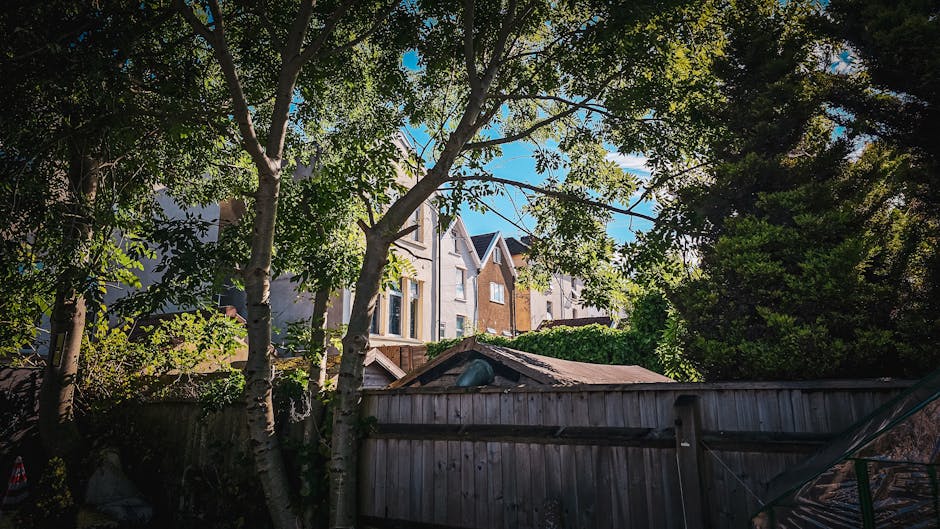
Battersea park removals for house moves small garden access
If you are planning Battersea park removals for house moves small garden access, you are probably dealing with one of those moves that looks simple on paper and then turns a bit fiddly the moment you stand in the doorway. A narrow side path, a modest patio, a shared garden gate, a bench in the wrong place, or a flight of awkward steps can all slow things down. That is exactly why the right approach matters. Done well, a small-garden-access move is calmer, cleaner, and far less likely to involve scratched walls, blocked paths, or a last-minute panic about getting a sofa through the back gate.
This guide explains how these moves work in practical terms, what to check before moving day, and how to keep things efficient when outdoor access is limited. We will look at planning, equipment, parking, packing, risk points, and a few real-world tricks that save time. Truth be told, the difference between a smooth move and a stressful one is often not the size of the property. It is the access.
Table of Contents
- Why Battersea park removals for house moves small garden access Matters
- How Battersea park removals for house moves small garden access Works
- Key Benefits and Practical Advantages
- Who This Is For and When It Makes Sense
- Step-by-Step Guidance
- Expert Tips for Better Results
- Common Mistakes to Avoid
- Tools, Resources and Recommendations
- Law, Compliance, Standards, or Best Practice
- Options, Methods, or Comparison Table
- Case Study or Real-World Example
- Practical Checklist
- Conclusion
- Frequently Asked Questions
Why Battersea park removals for house moves small garden access Matters
Small garden access changes the entire shape of a house move. In Battersea, that might mean a terrace with rear access, a basement flat with a shared garden route, or a townhouse where the only practical way to move bulky items is through a narrow outdoor space. On a calm day, a big item might squeeze through. On a wet day, with plant pots everywhere and a tight turn by the fence, things get awkward quickly.
Why does this matter so much? Because removals are not just about lifting boxes. They are about controlling the route, reducing risk, and keeping the move moving. If the access is small, every step has to be thought through. A chest of drawers that would be routine on a wide driveway can suddenly become a two-person, angle-it-carefully, pause-and-breathe kind of item. And yes, that is where professional planning pays off.
Battersea itself adds a local layer too. Streets can be busy, parking can be tight, and timing matters if you are trying to avoid blocking neighbours or carrying items too far. In our experience, the homes that move best are the ones where someone has already walked the route, spotted the pinch points, and worked out where the vehicle can safely stop. That may sound obvious. It rarely is in the rush of moving week.
Key takeaway: small garden access is not a minor detail; it is one of the main factors that shapes time, labour, risk, and cost on moving day.
How Battersea park removals for house moves small garden access Works
These moves usually start with access checking. That means looking at the front entrance, side return, rear garden gate, steps, pavement width, parking position, and anything that could affect the carrying route. A good remover will want to know not only what is being moved, but how it will leave the property. Sounds simple. Still, people often forget to mention that the back gate only opens halfway, or that there is a raised lip that catches trolley wheels.
From there, the team normally plans the loading sequence. Heavy or awkward items go first, or sometimes last, depending on the route and vehicle setup. The right order matters because small access can make re-shuffling expensive in both time and energy. If a sofa has to be turned three times to clear a narrow garden path, you do not want it buried behind ten lighter boxes.
There is also the question of protection. For small-garden moves, good practice includes floor covers where needed, corner protection on walls, and a clear temporary route through the garden or side access. If the route is damp or uneven, someone should be thinking about grip and balance rather than speed. A slippery flagstone in October, under a grey Battersea sky, is no place to improvise.
Some moves can be handled with a smaller van, which is why man with van services are often a practical fit for access-limited homes. Others need more structured support, especially where several heavy pieces, packing, and careful carrying are involved. For larger jobs, a full home moves approach or a team of house removalists may be the better choice.
Key Benefits and Practical Advantages
There are real benefits to planning a move around the garden access rather than treating it as an afterthought.
- Less damage risk: tight corners, planters, and narrow gates are where dents and scuffs happen. Planning reduces that risk noticeably.
- Better time control: if the route is mapped properly, fewer pauses are needed to re-angle furniture or re-pack the van.
- Lower physical strain: carrying heavy items the wrong way round a tight space is tiring and unnecessary.
- Cleaner move day: less dragging through flowerbeds, less mud in the house, fewer scrapes on the wall.
- More predictable pricing: the more clearly access is described in advance, the less likely there are surprises on the day.
That last point is worth stressing. In removals, surprises are rarely good news. If the garden access is small, a clear description upfront can help the mover assign the right team and vehicle. For some households, a straightforward man and van arrangement is enough. For others, particularly if packing support is needed, it may make sense to combine the move with packing and unpacking services.
There is also a less obvious advantage: better neighbour relations. Nobody enjoys a van idling awkwardly outside while furniture gets wrestled round a garden path. When the job is well planned, there is less noise, less faff, and fewer apologies. That matters in London, where space is shared and patience can be thin by lunchtime.
Who This Is For and When It Makes Sense
This type of move is relevant if your home has any of the following:
- a rear garden or side return that is narrow or partially blocked
- a basement, ground floor, or mews property with limited access
- a small yard, patio, or shared outside passage used for carrying items
- a flat or house with steps, slopes, or low gates in the loading route
- large items that simply will not fit cleanly through the front entrance
It is also a strong fit for people moving out of period properties, compact family homes, or converted buildings where access was never designed with modern furniture in mind. Let's face it, some London homes seem to have been planned by someone who had never seen a sofa.
This approach makes sense when you want a move that is calm rather than heroic. If you are relocating a one-bedroom flat with standard boxes, the job may be simple. If you are moving wardrobes, a bed base, garden furniture, or anything bulky through a small exterior route, then practical planning becomes the priority. If your move includes decluttering first, it can help to arrange a furniture pick up for items that should not travel with you.
It is also useful for anyone with time pressure. Maybe you have a completion window, a lease handover deadline, or a school run to juggle. In those cases, the difference between a tidy route and a congested one is not small. It is the whole game.
Step-by-Step Guidance
1. Walk the route before move day
Do not just glance at the garden and assume it is fine. Walk the entire route from the room to the vehicle. Measure gates, note any bends, check for low branches, and look at the surface underfoot. If the route changes after rain, that is worth knowing too.
2. Identify the awkward items early
Some pieces are obvious troublemakers: sofas, mattresses, wardrobes, glass tables, exercise equipment, and garden benches. If an item will need tilting, turning, or lifting over a step, it should be flagged in advance. It is much easier to solve the problem on a calm Tuesday than at 8:10 a.m. on moving day.
3. Clear the access path fully
Remove plant pots, child bikes, bins, tools, hose reels, and anything else that narrows the route. If the garden path is only just wide enough, even one obstacle can turn a safe carry into a clumsy one. A clear route is faster and safer. Simple, but often missed.
4. Protect vulnerable surfaces
Use coverings where walls, corners, and flooring are at risk. If your garden path is paved and slightly uneven, make sure the team knows about it. Protection is not just for the inside of the house. Outdoor moves can do just as much damage if the route is tight.
5. Choose the right vehicle and loading plan
The van size, parking position, and carrying distance all influence the day. A smaller vehicle can sometimes work better in Battersea streets where access is restricted, though not always. The point is not to use the biggest van possible. It is to use the right one. For larger or more complex loads, a moving truck may be more suitable, while lighter or fewer items may only need a compact moving solution.
6. Keep a staging area inside the home
Set aside a room or area where items can be grouped by destination in the van. That way, the team is not wandering from room to room looking for the next box while blocking the access route. A little staging goes a long way.
7. Load in the right order
Heavy, stable items usually go in first, with fragile or awkward items secured later depending on the van layout. Ask about the loading order if you are unsure. The aim is to prevent repacking. Nobody enjoys lifting the same chest of drawers three times. Nobody.
8. Do a final sweep before departure
Check the garden, shed, side path, loft stairs, cupboards, and behind doors. Those last forgotten pieces are often the ones that cause a small delay and a big sigh.
Expert Tips for Better Results
Here is where experience saves effort.
Be precise about access. Saying "small garden" is helpful, but saying "narrow side gate with one step and a turn to the left" is better. Removers work faster when they can picture the route before arriving.
Use daylight if you can. Early morning light helps identify trip hazards, raised edges, and tight corners. Evening moves can still work, of course, but visibility matters more than people realise.
Keep pets and children away from the route. This sounds obvious, yet it is one of the most common causes of interruption. A moving team carrying a wardrobe does not need a cat making a strategic appearance by the gate.
Have one person answer access questions. Too many voices create confusion. One clear point of contact makes the handover calmer and faster.
Consider what can be dismantled. Flat-pack style furniture, bed frames, and some tables are far easier to move through small access if taken apart first. That does not mean dismantle everything. It means use judgment.
Think about weather. A damp garden path, wet leaves, or icy steps can change the whole risk profile. If the weather turns, slow down. Not glamorous, but sensible.
If you want to reduce the load further, combine the move with decluttering. Our advice is to sort items in advance rather than during loading. It prevents a lot of "do we really still need this?" moments when the van is already waiting outside.
For households that are short on time, browsing practical moving advice such as last-minute packing tips for a successful house move can help tighten up the prep without making the process feel overwhelming.
Common Mistakes to Avoid
Small access moves tend to go wrong in very predictable ways. The good news? Most are avoidable.
- Underestimating the route: the garden looks fine until you try to turn a sofa through it.
- Forgetting to mention obstacles: low brick walls, planters, and narrow openings should never be left as a surprise.
- Leaving heavy items for last: if the awkward pieces are not planned early, they can become the bottleneck.
- Packing too densely: overfilled boxes are harder to carry and more likely to split.
- Not checking parking restrictions: a perfect loading plan is not much use if the van has nowhere legal to stop.
- Ignoring wet or uneven ground: speed is not worth a slip or a damaged item.
One common mistake is assuming that the house route and the outdoor route are separate problems. They are not. They are one route, and both parts need to work together. If the hallway is clear but the garden gate sticks, the move still slows down. If the garden is clear but the front room is packed floor-to-ceiling, same issue. It is all connected.
For moves in busier parts of London, parking planning deserves real attention. A useful reference point for many movers is the practical guidance in London council parking suspensions and permits for moves, especially when curbside space is tight or shared.
Tools, Resources and Recommendations
You do not need specialist gear for every move, but a few basic tools and sensible preparations help a lot.
- Measuring tape: for gates, doorways, and tight turns.
- Furniture blankets: to reduce bumps and surface damage.
- Straps and ties: useful for securing items in the van and for awkward lifts.
- Gloves with grip: better handling, especially in damp conditions.
- Floor covers or cardboard runners: helpful on vulnerable internal floors.
- Basic toolkit: for removing legs, bed frames, or small fittings.
If you are comparing service types, think about the whole move rather than only the vehicle. Some homes only need a straightforward local team. Others benefit from support with packing, heavy items, and loading order. A compact local job may suit man and van, while bigger family moves often lean toward fuller help such as home moves or an organised house removalists service.
If you are still at the planning stage, it can also help to look at transparent pricing and quotes before you commit. The more open you are about access, the more useful the quote will be. A vague quote for a complicated access route tends to be a poor fit later, and nobody likes that conversation.
Law, Compliance, Standards, or Best Practice
For a move of this kind, the main compliance issues usually relate to parking, access, handling, insurance, and safe working practices. Exact requirements vary by location and circumstance, so it is wise to treat local rules carefully rather than assuming they will be the same from street to street.
In practice, good removals companies should take safety seriously. That includes safe lifting, sensible load limits, protective equipment where needed, and a considered approach to access hazards. If a route looks too tight or too risky, the best answer is not to force it. It is to adjust the plan. That may sound cautious. It is. But cautious is often what keeps the day on track.
Insurance is another area worth checking. If items are valuable, fragile, or difficult to replace, ask how they are protected during loading and transit. You do not need to turn the whole move into a paperwork marathon, but you do want clarity. The same applies if access is likely to slow the job or introduce extra handling.
Local parking and access arrangements also matter. Where needed, permits or suspensions may be required, and responsible movers should understand the practical side of that. A quick read of a company's insurance and safety approach can tell you a lot about how carefully they work.
There is also a broader best-practice point: protect neighbours, keep shared routes clear, and minimise disturbance. In dense parts of Battersea, that is not just polite. It is part of a well-run move.
Options, Methods, or Comparison Table
If you are weighing up how to handle a move with small garden access, the choice usually comes down to the size of the job, the awkwardness of the route, and how much help you want on the day.
| Option | Best for | Strengths | Watch-outs |
|---|---|---|---|
| Man and van | Smaller home moves, a few rooms, lighter loads | Flexible, often well-suited to tight access, efficient for local moves | May be less suitable for very large or complex furniture loads |
| Home move team | Full-house removals and busier moving days | More support, better for coordinated loading and heavier items | Can be more than you need for very small moves |
| Van plus packing help | Moves where time is short or packing is still unfinished | Reduces stress and speeds up handover | Needs clear instructions to avoid confusion |
| Declutter then move | Homes with excess furniture or items that should not travel | Makes access easier and loading faster | Requires decisions before moving day, which people sometimes delay |
For small-garden access, the best option is not always the biggest one. It is the one that matches the route. If the rear path is the tightest part of the move, a nimble setup can beat a larger, more cumbersome plan. That is one reason many people choose a local service with the right equipment rather than trying to brute-force the job.
Case Study or Real-World Example
Consider a typical Battersea scenario. A family is moving from a ground-floor flat with a modest rear garden. The front entrance is workable, but the best route for the sofa is through the back door and along a narrow side path with one slight bend. There is also a garden table, two planters, and a child's scooter right where they should not be.
The move starts to go badly in their minds, because that is what moving week does to people. But after a quick access check, the path is cleared, the sofa legs are removed, and the larger furniture is staged first. A blanket is placed where the wall corner narrows the turn. The van is parked so the carrying distance stays short, and the team keeps the route dry with a careful pace rather than rushing.
The result? Less strain, fewer pauses, no scrapes on the wall, and no need to drag the sofa back through the lounge because someone guessed wrong. Not magic. Just planning.
That is the pattern with these jobs. The move itself is rarely the problem. The access is the problem. Once the access is understood, the rest becomes much more manageable.
Practical Checklist
Use this before moving day. It is the sort of list that seems too basic right up until it saves the morning.
- Measure gates, doorways, and any tight turns.
- Walk the full route from room to vehicle.
- Clear pots, tools, bins, scooters, and loose items from the path.
- Identify the heaviest and most awkward furniture early.
- Check whether any items can be dismantled safely.
- Protect corners, floors, and vulnerable walls.
- Confirm parking arrangements and loading space.
- Decide which items need extra wrapping or handling.
- Keep pets and children away from the carrying route.
- Set aside essentials you will need first at the new place.
If you are trying to stay organised, it also helps to use practical decluttering guidance such as prepare to move and declutter for a seamless transition before the van arrives. Less clutter means fewer carrying decisions and a cleaner route through a small garden.
Conclusion
Battersea park removals for house moves small garden access are all about planning the route, choosing the right level of help, and reducing avoidable friction. When the outdoor access is tight, the move becomes less about brute strength and more about judgement. Measure first, clear the route, protect the property, and give the team the information they actually need.
That approach keeps the day calmer, protects your belongings, and makes the process feel far less like a wrestling match with furniture. If anything, the best sign of a good small-access move is that it feels ordinary. Quiet. Controlled. A bit of early stress, then a steady finish.
Get a free quote today and see how much you can save.
And if you are still at the beginning of the planning stage, take your time. A careful move is nearly always a better move.
Frequently Asked Questions
What does Battersea park removals for house moves small garden access actually mean?
It refers to home removals where the main access route involves a small garden, side path, patio, or other narrow outdoor space. The phrase is used for moves where access planning matters as much as the transport itself.
Is a small garden access move harder than a normal house move?
Usually, yes, because furniture may need to be turned, lifted, or carried through tighter spaces. It is not necessarily more expensive or more stressful, but it does need better planning.
Can a sofa fit through a narrow garden gate?
Sometimes it can, sometimes it cannot. It depends on the sofa size, the gate width, the angle of the turn, and whether the legs or arms can be removed. Measuring first is the sensible move.
Should I tell the removals company about the garden access in advance?
Absolutely. The more detail you give about gates, steps, turns, and obstacles, the better they can plan the right vehicle, crew, and loading approach.
Do I need special equipment for a move with small garden access?
Not always, but blankets, straps, gloves, measuring tools, and floor protection are very useful. For heavier or awkward furniture, the team may bring additional moving equipment.
Will a smaller van be better for this kind of move?
Sometimes yes, especially where streets are tight or parking is awkward. But the right van depends on the volume of items as well as the access route. Smaller is not automatically better.
How do I prepare my garden before moving day?
Clear the path completely, move plant pots and loose items out of the way, check for slippery patches, and make sure gates open fully. A tidy route is one of the easiest ways to reduce delays.
What should I do if it rains on moving day?
Slow down and protect the route. Wet surfaces can be slippery, especially on stone or paved garden paths. Keep items covered where needed and avoid rushing heavy furniture through damp areas.
Can packing services help with tight access moves?
Yes. If the packing is done properly, items are easier to carry, stack, and secure. It also reduces the number of trips back and forth through a narrow route.
How far in advance should I book a move with access issues?
As early as you can, especially if the move is local, time-sensitive, or involves bulky furniture. Early booking gives the team time to review the access and plan properly.
What if there is parking pressure near my Battersea property?
That should be factored into the plan from the start. Parking can affect the carrying distance, timing, and vehicle choice, so it is best discussed well before moving day.
What is the most common mistake people make with small garden access?
Assuming the access is "fine" without measuring it. That one assumption can turn a straightforward move into a slow, frustrating puzzle. A quick walkthrough saves a lot of bother later.