Avoid Damage on Narrow London Staircases During Moves: A Practical Guide for Safer, Smoother Removals
Narrow staircases are one of those moving-day headaches that can look simple from the hallway and then turn into a slow, awkward puzzle once the sofa is halfway up. If you're trying to avoid damage on narrow London staircases during moves, you're really dealing with three problems at once: limited space, tricky angles, and fragile surfaces that don't forgive a bump. Add in older London properties, tight landings, and a cold sense of "this will be fine" at the start of the day, and things can go sideways quickly.
The good news? Damage is far from inevitable. With the right preparation, sensible lifting methods, proper protection, and a clear plan for awkward items, you can move through tight stairwells without scraping paintwork, denting plaster, or damaging furniture. This guide breaks down the practical steps, the common mistakes people make, and the best ways to keep both the property and your belongings in one piece. If you want a move that feels controlled rather than chaotic, you're in the right place.
Why Avoid Damage on Narrow London Staircases During Moves Matters
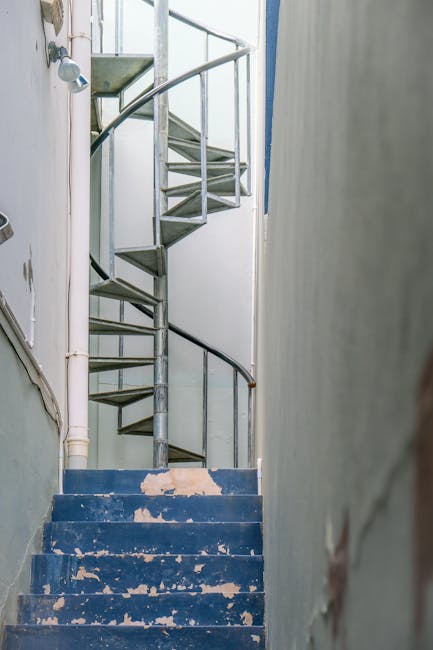
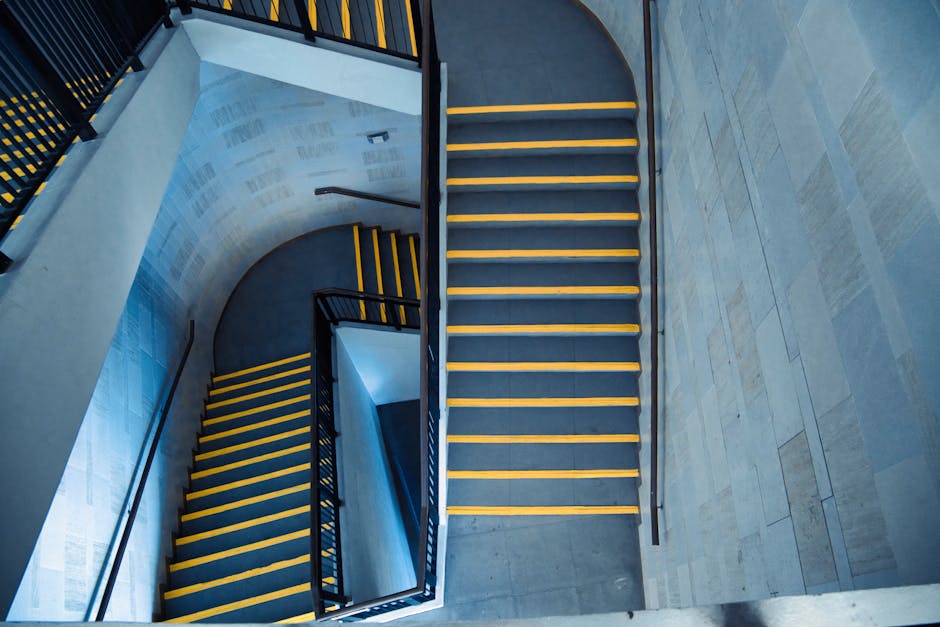
Narrow staircases are more than just an inconvenience. They're one of the main points where moving-day damage happens, especially in terraced houses, converted flats, and period properties across London. A stairwell that feels manageable on paper can become a tight squeeze the moment you try to turn a wardrobe or carry a bed base around a landing. That's where chips in plaster, scuffed bannisters, scratched banisters, torn carpet edges, and even damaged furniture tend to show up.
To be fair, a lot of people only notice the risk after the first knock. By then, the route is already awkward, the item is in motion, and everyone's trying to avoid a bigger problem. This is why planning matters so much. Preventing damage is not just about being careful; it's about understanding how load, space, grip, and visibility all work together in a cramped stairwell.
In London, this becomes even more relevant because many homes have tighter access than the modern floorplans people might be used to. Steep stairs, narrow turns, low ceilings, and protected surfaces like original woodwork or polished handrails can make every movement feel ten times more delicate. If you're moving out of a rental, keeping things tidy can also help avoid avoidable disputes later. If you're moving into a new place, protecting the staircase helps you start well rather than apologising on day one.
For moves where access is especially awkward, it can be worth looking at a service such as home moves or house removalists, because the right support often saves time, stress, and a lot of elbow-room arguments on the stairs.
How Avoid Damage on Narrow London Staircases During Moves Works
At its core, damage prevention comes down to control. You want the item, the staircase, and the movers' hands to stay aligned throughout the lift. That sounds obvious, but on a narrow staircase, the real challenge is that every inch counts. A sofa can catch on a handrail. A mattress can fold too much and scrape the wall. A box can twist just enough to knock into a corner. Small mistakes become expensive quickly.
The process usually starts before anyone touches the furniture. Measure the staircase, identify the tightest bends, check whether items can be disassembled, and decide which pieces should be wrapped or protected. Then you plan the order of movement. Heavy or awkward items should usually be moved one at a time, with one person leading and another guiding. If there's a landing turn, that's where communication matters most. You need simple instructions, not a running commentary.
Protection is the next layer. Stair runners, carpet film, corner guards, padded blankets, and furniture straps all help reduce friction and shield vulnerable surfaces. But protection alone is not enough. The team also needs the right movement technique: keep loads close to the body, maintain a slow pace, and pause before the difficult turn rather than forcing it. Honestly, the pause is often what saves the wall.
Good moving practice is a bit like navigating a crowded pub corridor with a tray of drinks. If you rush, someone notices. If you slow down and plan your line, everything feels oddly calm.
Key Benefits and Practical Advantages
Preventing damage on narrow staircases isn't only about avoiding repair costs, although that's a big part of it. It also makes the whole move feel more organised and less physically punishing. The advantages are practical, immediate, and pretty easy to notice once you've done it properly.
- Less risk of repairs: Reduced chance of chipped paint, dented walls, broken handrails, or carpet damage.
- Safer handling: Better control means fewer slips, twists, and awkward sudden movements.
- Faster decision-making: A planned route avoids repeated stops and "should we try it this way?" moments.
- Better furniture protection: Items are less likely to be scratched, crushed, or bent.
- Less stress for everyone: The moving team stays calmer, and that calm tends to spread.
- Cleaner handover: Helpful when you're leaving a rented property or moving into a freshly decorated home.
There's also a subtle benefit people overlook: confidence. When a staircase is properly measured and protected, the move feels manageable. You stop second-guessing every step. That matters more than it sounds, especially when you're juggling time, neighbours, and the usual London parking frustrations. If you're comparing moving support, it's worth checking pages like man and van services and moving truck options to match the scale of the job with the level of help you actually need.
Who This Is For and When It Makes Sense
This approach is useful for anyone moving through a tight stairwell, but some situations really call for it. If your property has curved stairs, split landings, Victorian proportions, or a staircase that seems to narrow just when you need it to widen, you'll likely benefit from proper planning. Likewise if you're moving bulky furniture, white goods, or multiple boxes at once.
It also makes sense if you're:
- moving out of a flat with limited hallway space;
- handling a rental where damage could affect your deposit;
- moving antiques, glass, mirrors, or high-value furniture;
- relocating an office with awkward filing cabinets or desks;
- moving with minimal help and need a safer system;
- working around busy neighbours or shared entrances.
In some cases, the issue is not the staircase itself but the combination of staircase plus item. A standard dining chair is usually fine. A kingsize bed frame, less so. A tall chest of drawers can be surprisingly unforgiving when it meets a tight turn. Truth be told, the biggest mistakes often happen with items people assume are "not that difficult".
If you're planning a business relocation or clearing a commercial property, it may be sensible to review commercial moves or office relocation services alongside your access plan, because office items create their own kind of staircase puzzle.
Step-by-Step Guidance
Below is a practical process you can use before and during the move. It's not fancy, but it works.
1. Walk the route first
Before lifting anything, inspect the staircase from bottom to top. Look for tight corners, overhanging light fittings, loose carpet edges, narrow handrails, and any surfaces that look delicate or recently painted. Take a mental note of where an item will need to turn, tilt, or pause.
2. Measure the awkward pieces
Measure large furniture in all directions, not just height and width. A sofa's depth, a wardrobe's diagonal clearance, or a mattress's bend can matter just as much as its headline size. If a piece needs dismantling, do that early rather than at the stairwell.
3. Prepare the staircase
Protect corners, bannisters, and floors with suitable coverings. In many homes, a mix of padded blankets and surface protection is enough, but the exact setup should suit the material underfoot. Carpet, stone, and painted wood all behave differently. The goal is to reduce rubbing and absorb accidental contact.
4. Wrap the furniture properly
Use moving blankets, stretch wrap where appropriate, and straps to keep loose parts secure. Remove shelves, glass panels, and detachable legs if that makes the item easier to handle. Don't leave cables, drawers, or handles flapping about. Those little bits love to catch on things. Always.
5. Assign clear roles
One person should lead, one should guide, and if the item is large enough, a third person can watch corners and landing points. Simple calls like "stop", "tilt", "up a bit", or "hold" are usually better than long explanations while standing on a stair.
6. Move slowly through the tightest point
This is where damage is most likely, so slow it down. Tilt only as much as needed. Keep the item close to the stair line and avoid swinging it wide. If a turn feels too tight, stop and re-plan rather than forcing it through. A brief reset is far cheaper than a cracked wall.
7. Check the staircase after each item
Look for scuffs, debris, or shifted protection before bringing the next piece through. It only takes a minute and can prevent a small issue from turning into a bigger one.
Expert Tips for Better Results
Once the basics are in place, a few small habits can make the difference between a tidy move and a messy one. These are the kinds of details experienced movers rely on, and they're easy to copy.
- Use a test lift: Before committing to the staircase, check whether the item can be safely angled and rotated at ground level.
- Keep hands clear of pinch points: Fingers and thumbs love to wander into awkward gaps. Not ideal.
- Protect the first contact point: Corners, footboards, and armrests often take the first knock, so pad them well.
- Don't over-pack boxes: Heavy boxes are harder to control and more likely to swing into walls.
- Respect old buildings: Older plaster and timber can be more fragile than they look, even when the surface seems solid.
- Plan parking and entry timing: If the van is waiting outside, you don't want long pauses on the stairs while someone hunts for the right trolley.
One quiet trick that helps a lot: keep the route as uncluttered as possible. Shoes by the door, umbrella stands, plant pots, and loose hallway mats can all become trip hazards. It sounds trivial until you're halfway up with a heavy item and realise the landing is full of everyday life.
If you need a more complete service that includes loading, transport, and careful handling, have a look at packing and unpacking services or removal truck hire. Sometimes the easiest way to avoid damage is to reduce the number of hands-on decisions you need to make in the moment.
Common Mistakes to Avoid
People usually don't damage staircases because they are careless. More often, they're rushed, underprepared, or trying to be heroic with an item that really should have been dismantled. Here are the mistakes that show up again and again.
- Skipping the measurements. Guessing is risky, especially on London staircases where every turn can be different.
- Forcing oversized furniture around corners. If the angle feels wrong, it probably is wrong.
- Using no protection on fragile surfaces. A quick bump can leave a mark that's hard to miss.
- Trying to move too much at once. Stacking boxes or carrying extra bags makes movement clumsy.
- Poor communication. If the person at the top and the person at the bottom aren't synced, the item becomes awkward very fast.
- Ignoring wet or dusty steps. A slightly slippery stair can become a proper hazard when the load is heavy.
- Leaving disassembly too late. Taking a wardrobe apart on a landing is nobody's favourite Saturday.
Another common issue is forgetting the reverse journey. Moving things out is one thing; moving them into a new property can be even tighter because you're trying to avoid damage in a space that may already have fresh paint, new flooring, or just a very nervous landlord watching from the doorway.
Tools, Resources and Recommendations
You do not need a giant toolkit, but the right moving gear helps a lot. The aim is simple: reduce friction, spread weight, and protect contact points.
| Tool or item | What it helps with | Best use case |
|---|---|---|
| Moving blankets | Padding furniture and walls | Large items, corners, bannisters |
| Corner guards | Shielding plaster and painted edges | Tight landings and sharp turns |
| Furniture straps | Improving grip and control | Heavy or awkward items |
| Gloves with grip | Better handling and hand protection | Boxes, appliances, and smooth surfaces |
| Protective floor covering | Preventing scuffs and dirt transfer | Carpeted, wooden, or tiled stairs |
| Hand truck or dolly | Reducing carrying strain | Level ground, not usually on stairs themselves |
In practice, the best resource is often the right moving service for the job size. If you only have a few items, man with van support may be enough. If you have a full property move or lots of bulky furniture, a more structured solution with a moving truck can make the whole process easier to control.
It's also sensible to review practical trust pages such as insurance and safety and health and safety policy before booking, especially if you want reassurance around how a team handles risks and protection.
Law, Compliance, Standards, or Best Practice
This topic doesn't usually involve complicated legal rules for the average home move, but there are still sensible standards to keep in mind. In the UK, movers and property owners should act carefully to avoid injury, damage, and unnecessary disruption. That includes sensible manual handling, keeping access routes clear, and using equipment properly. Nothing glamorous there, but it matters.
For rented homes, landlords and tenants often care about the condition of walls, stairs, paintwork, carpets, and common areas. If you're moving from a shared building, it's sensible to follow any building instructions about lift use, protection, quiet hours, or access times. If the staircase is in a communal hallway, courtesy counts for a lot. Neighbours remember noise. They really do.
From a best-practice point of view, a good moving team should:
- assess access before lifting large items;
- use safe lifting techniques and enough people for the weight;
- protect vulnerable surfaces where contact is likely;
- avoid blocking fire exits or communal access routes;
- communicate clearly during the move;
- carry appropriate insurance for the work being done.
If you are checking the company behind the move, pages like about us, terms and conditions, and contact us can help you understand how they work and who to speak to if you need clarification before moving day.
Options, Methods, or Comparison Table
There isn't one single best method for every staircase. The right choice depends on the building, the furniture, and how much time you have. Here's a simple comparison to help.
| Method | Best for | Pros | Limitations |
|---|---|---|---|
| DIY move with basic protection | Small loads, light furniture, experienced helpers | Lower cost, flexible timing | Higher risk if the staircase is very tight or the item is bulky |
| Man and van support | Medium moves, mixed furniture, limited labour | Practical balance of help and cost | May still need clear planning for narrow access |
| Full removal team | Full-house moves, difficult access, heavy items | More hands, more control, often smoother pacing | Usually more expensive than a smaller service |
| Disassemble and reassemble | Wardrobes, beds, large shelving, awkward corners | Often the safest route through tight stairs | Needs tools, time, and care to avoid missing parts |
For many London moves, the smartest answer is a combination: disassemble the biggest items, protect the staircase, and use experienced movers for the heavy lift. Simple, but not simple-minded. There's a difference.
Case Study or Real-World Example
Imagine a first-floor flat in a converted Victorian terrace. The staircase is narrow, the turn at the landing is sharp, and the bannister sits closer to the wall than anyone would like. The move includes a sofa, a bed frame, two bookcases, and a stack of boxes that looked much lighter when they were empty.
The team walks the route first and realises the sofa won't glide through in its assembled form without risk. So they remove the feet, wrap the corners, and protect the wall edge on the turn. The bookcases are emptied and carried one at a time instead of stacked. One person leads, one keeps watch on the landing, and the pauses happen before the tightest point rather than during it. A little awkward? Yes. But calm awkward, not chaotic awkward.
What makes the difference here is not strength. It's sequence. They don't try to "push through". They prep, move, stop, adjust, then continue. That's the part people forget. A narrow staircase rewards patience more than bravado. By the end of the move, the staircase is clean, the furniture is intact, and nobody's muttering about the wall paint.
That sort of result is exactly why good preparation pays off, especially if you're choosing between home moves support and a more tailored approach for unusually awkward access.
Practical Checklist
Use this checklist before the move starts. Print it, save it, scribble on it - whatever works.
- Measure the staircase, landings, and tightest turns.
- Measure bulky items in more than one direction.
- Decide which furniture should be dismantled.
- Wrap corners, feet, and fragile edges.
- Protect walls, bannisters, and floors.
- Clear hallways, mats, and loose objects.
- Assign roles so everyone knows who leads and who guides.
- Move one awkward item at a time.
- Pause at landings before difficult turns.
- Inspect the staircase after each major item.
- Keep drinks, bags, and spare clutter away from the route.
- Check whether your move plan needs extra help or a larger vehicle.
Expert summary: The safest staircase move is rarely the fastest one at the start. It is the one that is measured, protected, and paced properly from the first lift to the final landing. Slow is smooth; smooth is usually safe.
Get a free quote today and see how much you can save.
Conclusion
Trying to avoid damage on narrow London staircases during moves is really about respecting the limits of the space. Once you accept that the staircase is part of the job, not just the path to the job, your whole approach improves. You measure properly. You protect vulnerable edges. You slow down at the right moments. And you stop treating awkward furniture like it will somehow fit out of optimism alone.
Whether you're moving a few items or a whole home, the same principle holds: plan for the narrowest point, not the easiest one. That little bit of extra care can protect your walls, your furniture, your time, and your peace of mind. And on a moving day in London, peace of mind is worth a great deal.
If your staircase already looks like a challenge, don't panic. With the right preparation and a sensible moving plan, even a tight turn can be handled cleanly. One careful step at a time, that's usually how it goes.
Frequently Asked Questions
How do I stop furniture scraping the walls on a narrow staircase?
Wrap the furniture with blankets or padding, protect corners on the stairwell, and assign one person to guide the side closest to the wall. Slow movement and clear communication make a big difference.
What type of furniture causes the most damage on narrow stairs?
Large sofas, wardrobes, bed frames, bookcases, and awkward appliances tend to cause the most trouble because they are hard to angle safely around turns and landings.
Should I dismantle furniture before moving it upstairs or downstairs?
Yes, if dismantling makes the piece smaller, lighter, or easier to turn. Beds, shelving, and modular wardrobes are common candidates. Just keep screws, fittings, and labels organised.
What protection should I use on painted bannisters and walls?
Moving blankets, foam corner guards, and other padded protection are usually helpful. The best choice depends on the surface, but the aim is always the same: reduce direct contact and friction.
Is a man and van service enough for narrow staircase moves?
Sometimes, yes. It depends on the amount of furniture, the size of the items, and how awkward the staircase is. For smaller or medium moves, man and van services can be a practical choice.
How many people do I need for a difficult staircase move?
That depends on the weight and shape of the item, but awkward loads generally need at least one person guiding and one person lifting. Bigger pieces may need more hands for safe control.
What should I check before moving anything through a tight landing?
Look for low ceilings, light fittings, picture rails, sharp corners, loose carpet edges, and anything that could snag or knock the item as it turns.
Can moving day damage affect my deposit?
It can, especially in rented homes, if damage is left behind on walls, floors, or bannisters. Careful protection and a final inspection help reduce the risk of disputes.
Are there special risks in older London properties?
Yes. Older homes often have narrower staircases, steeper steps, and more fragile finishes. Original plaster, timber, and painted woodwork can be more vulnerable than modern surfaces.
What is the safest way to carry boxes on narrow stairs?
Keep boxes light enough to see past and carry them close to the body. Avoid overfilling, because heavy or unbalanced boxes are much harder to control on staircases.
When should I book professional help instead of doing it myself?
If the staircase is extremely narrow, the item is heavy or valuable, or you simply do not want to take chances, professional help is sensible. It often saves time and reduces damage risk.
How do I choose between packing help and full moving support?
If your main problem is awkward access, full moving support may be better. If the challenge is mostly getting items safely ready, packing and unpacking services can remove a lot of the pressure before moving day.
Where can I check safety and service details before booking?
Useful pages to review include insurance and safety, health and safety policy, and pricing and quotes. They help set expectations and reduce surprises.